


Permanent Solutions
Achieve both measurable sustainable carbon reductions and immediate operational efficiency gains for your bottom line through Veristar Energy Microgrids, Microturbines, and Combined Heat and Power (CHP) solutions.


Microgrids
Overview
A microgrid is a distribution network that incorporates a variety of distributed energy resources (DER) that can be optimized and aggregated into a single system. The integrated system can balance loads and generation with or without energy storage and is capable of islanding whether connected or not connected to a traditional utility power grid.
Distributed energy resources typically include dual mode Capstone Microturbines, reciprocating engines, solar photovoltaic (PV), wind turbines, fuel cells and battery storage. Microgrids can be connected to larger electricity grids, and in the event of a widespread outage, can disconnect from the main grid to operate independently and supply electricity to homes and businesses that are connected to the microgrid’s electricity network.

The Foundation for Renewable Energy Microgrids
Veristar Energy utilizes microturbines in the design of microgrids for their ability to supply high quality, inverter-based power to facilities. The microturbine design ensures that baseload power can be supplied to a facility, particularly in off-grid configurations. Microturbines can offset the intermittent nature of renewables and, in some cases, eliminate the need for energy storage. Microturbines quickly respond to changes in load, addressing intermittency faster than an internal combustion engine synchronous generator solution could.
Key Benefits
Resiliency and Reliability
Microgrids can continue to operate even if there’s an outage on the main grid, ensuring a continuous supply of electricity. This feature is critical for facilities like hospitals, data centers, or military bases where power supply continuity is of utmost importance.
Energy Efficiency
Since microgrids generate power closer to where it’s consumed, they reduce the amount of energy lost in transmission and distribution, significantly increasing the efficiency of energy usage.
Renewable Energy Integration
Microgrids often incorporate renewable energy sources, like wind or solar power. They can also include energy storage systems, which can store excess power generated and use it later when needed.
Cost Reductions
Over time, microgrids can be more cost-effective, especially if they generate power from renewable sources. They also avoid costs related to energy loss in transmission and distribution.
Reduced Greenhouse Gas Emissions
Microgrids allow for integration of renewable sources and overall improvement of energy efficiency, which contributes to reducing greenhouse gas emissions and mitigating climate change.
Grid Support
Microgrids can also provide support services to the main grid, like voltage support, frequency regulation, and spinning reserve.

Resiliency & Reliability
Microgrids can continue to operate even if there’s an outage on the main grid, ensuring a continuous supply of electricity. This feature is critical for facilities like hospitals, data centers, or military bases where power supply continuity is of utmost importance.

Energy Efficiency
Since microgrids generate power closer to where it’s consumed, they reduce the amount of energy lost in transmission and distribution, significantly increasing the efficiency of energy usage.

Renewable Energy Integration
Microgrids often incorporate renewable energy sources, like wind or solar power. They can also include energy storage systems, which can store excess power generated and use it later when needed.

Cost Reductions
Over time, microgrids can be more cost-effective, especially if they generate power from renewable sources. They also avoid costs related to energy loss in transmission and distribution.

Reduced Greenhouse Gas Emissions
Microgrids allow for integration of renewable sources and overall improvement of energy efficiency, which contributes to reducing greenhouse gas emissions and mitigating climate change.

Grid Support
Microgrids can also provide support services to the main grid, like voltage support, frequency regulation, and spinning reserve.
Resiliency and Reliability
Microgrids can continue to operate even if there’s an outage on the main grid, ensuring a continuous supply of electricity. This feature is critical for facilities like hospitals, data centers, or military bases where power supply continuity is of utmost importance.
Energy Efficiency
Since microgrids generate power closer to where it’s consumed, they reduce the amount of energy lost in transmission and distribution, significantly increasing the efficiency of energy usage.
Renewable Energy Integration
Microgrids often incorporate renewable energy sources, like wind or solar power. They can also include energy storage systems, which can store excess power generated and use it later when needed.
Cost Reductions
Over time, microgrids can be more cost-effective, especially if they generate power from renewable sources. They also avoid costs related to energy loss in transmission and distribution.
Reduced Greenhouse Gas Emissions
Microgrids allow for integration of renewable sources and overall improvement of energy efficiency, which contributes to reducing greenhouse gas emissions and mitigating climate change.
Grid Support
Microgrids can also provide support services to the main grid, like voltage support, frequency regulation, and spinning reserve.



Latest Projects

Capstone Microturbines
The microturbine is in a class of its own. Veristar is proud to offer this unparalleled clean energy technology to North America, which we’ve done since 2014.
Microturbines
Overview
Veristar Energy provides customized microgrid solutions and on-site energy technology systems to help customers meet their carbon reduction, energy savings and resiliency goals. Microturbines run on natural gas, landfill gas, digester gas, renewable natural gas (RNG), associated gas, liquid fuels, and even hydrogen. Well-suited for multiple types of heat recovery, microturbines excel at utilizing waste head to efficiently produce hot water, steam, chilled water, or process heating.
In addition to generating power and heat year-round, the Capstone microturbines can operate as life-safety backup generators to power critical loads during emergencies. Many customers use CHP to extend – or avoid – costly replacements to their existing HVAC equipment. Our specialists will customize and engineer the heat recovery solution for each project based on its unique needs.
With over 100 technology patents, these systems combine an aero-derivative turbine, a magnetic generator, and advanced inverter-based power electronics. The true beauty of this technology lies in Capstone’s patented air bearings, which allow for zero friction and require no lubrication oil or cooling system.
Oh, and did we mention? The microturbine has only one moving part!
Next Generation Technology
01
Air-bearing, Quiet Operation
No lubricating oil or coolants required. 65 dB at 10 meters.
02
Ultra-low Emissions & Multi-fuel Capacity
Clean UPS quality power with less than 5ppm NOx and adaptable to gaseous and hydrogen.
03
UL Certified
UL 1741/SA and UL2200
04
Remote Monitoring & Modular Design
Easy and simple to scale with complete view of performance at all times.
Key Benefits
.jpg)
Patented Air-Bearing Technology
The air bearing allows the microturbine to operate with zero friction and zero “wear and tear”. The critical Capstone technological innovation is the use of air bearings. Capstone is the only company that uses air bearings in the hot section of a gas turbine. Air bearings enable the microturbine to operate without the use of oil or other lubricants. There is no oil in the microturbine, which means no oil changes. The system is also air cooled, so there are no coolants or separate cooling systems used in the microturbine.
One Moving Part
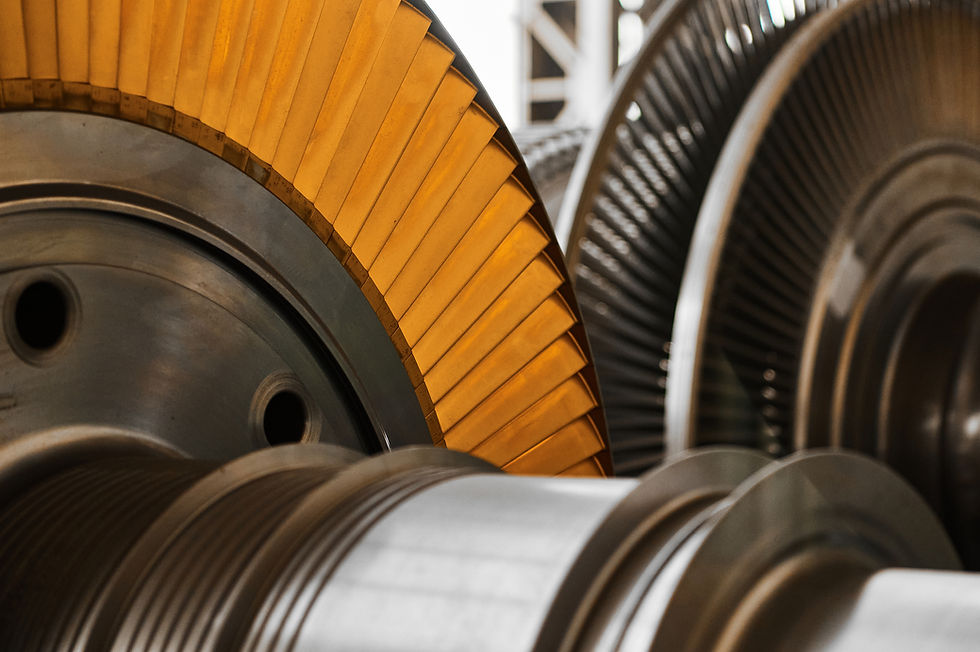
Unlike reciprocating engines which have hundreds of moving parts, the microturbine has only one single moving part. The turbo-generator shaft rotates at extremely high speeds to produce power as cleanly and efficiently as possible. The single moving part means that there is less likelihood of system failure or need to maintain and repair. The shaft contains the generator, compressor and turbine on a single assembly, rotating at up to 96,000 RPM.

Ultra-Low Emissions
Veristar Energy utilizes microturbines that provide customers with one of the cleanest generation technologies available today. Considerably cleaner than the cleanest reciprocating engines, microturbines are certified by the California Air Resources Board which demands the strictest emissions limits in North America.
Combined Heat and Power (CHP) systems contribute to a cleaner grid because they can produce energy so efficiently. Generating and consuming energy at the same location means that microturbines eliminate power line losses and CHP utilizes the waste heat instead of emitting it into the atmosphere.

High Efficiency Systems
Injector staging allows for high part load efficiency. Continuous combustion creates combustion stability and low emissions. Modularity allows for maximum efficiency and resiliency.

Scalable, Modular Design
The use of smaller power blocks allows Capstone to deliver the most efficient generated power at partial loads. The one-megawatt package, for example, contains five 200kW power bays allowing it to operate at lower intervals at maximum efficiency by staging the individual bays as load increases. Each bay can operate independently, and maintenance can be performed on one bay at a time while the others continue to generate power.

Lowest Maintenance Cost of any Generation Technology
Backed by the Capstone Factory Protection Plan (FPP), there is no part or service that is excluded from coverage during the term of the agreement. The FPP is a fixed price for the term, with no inflation or overages.

Fuel Flexibility
Microturbines can operate on a variety of fuels, such as natural gas, biogas, diesel, or propane, allowing for adaptability to local fuel availability and reducing dependence on a single fuel source.
Capstone continues to expand and develop new fuel standards including for Hydrogen. Currently Capstone microturbines can safely run on a 30% hydrogen - 70% natural gas blend. Within the next few years, Capstone is expected to release retrofit kits that will allow microturbines to be fueled solely by hydrogen.

Compact Size
Due to their small footprint and lighter weight, microturbines can be easily integrated into existing buildings or facilities, minimizing the need for extensive construction or modifications.
This includes fitting in elevators, basement, parking garages and other tight spaces simply too small for other equipment types.

Microgrid Ready
A microgrid is a distribution network that incorporates a variety of Distributed Energy Resources (DERs) that can be optimized and aggregated into a single system. The integrated system can balance loads and generation with or without energy storage and is capable of islanding whether connected or not connected to a traditional utility power grid.
DERs typically include dual-mode microturbines, reciprocating engines, solar photovoltaic (PV), wind turbines, fuel cells and battery storage.

Operate With or Without a Utility Grid
Microturbines can function in both grid-connected and off-grid modes, providing energy security and resilience, particularly during grid outages or in remote locations.
Microturbines can be connected to electricity grids, and in the event of a widespread outage, can disconnect from the main grid to operate independently and supply electricity to homes and businesses that are connected to the microturbines electricity network.
Key Benefits
Patented Air-Bearing Technology
The air bearing allows the microturbine to operate with zero friction and zero “wear and tear”. The critical Capstone technological innovation is the use of air bearings. Capstone is the only company that uses air bearings in the hot section of a gas turbine. Air bearings enable the microturbine to operate without the use of oil or other lubricants. There is no oil in the microturbine, which means no oil changes. The system is also air cooled, so there are no coolants or separate cooling systems used in the microturbine.
One Moving Part
Unlike reciprocating engines which have hundreds of moving parts, the microturbine has only one single moving part. The turbo-generator shaft rotates at extremely high speeds to produce power as cleanly and efficiently as possible. The single moving part means that there is less likelihood of system failure or need to maintain and repair. The shaft contains the generator, compressor and turbine on a single assembly, rotating at up to 96,000 RPM.
Ultra-Low Emissions
Veristar utilizes microturbines that provide customers with one of the cleanest generation technologies available today. Considerably cleaner than the cleanest reciprocating engines, microturbines are certified by the California Air Resources Board which demands the strictest emissions limits in North America.
Combined Heat and Power (CHP) systems contribute to a cleaner grid because they can produce energy so efficiently. Generating and consuming energy at the same location means that microturbines eliminate power line losses and CHP utilizes the waste heat instead of emitting it into the atmosphere.
High Efficiency Systems
Injector staging allows for high part load efficiency. Continuous combustion creates combustion stability and low emissions. Modularity allows for maximum efficiency and resiliency.
Scalable, Modular Design
The use of smaller power blocks allows Capstone to deliver the most efficient generated power at partial loads. The one-megawatt package, for example, contains five 200kW power bays allowing it to operate at lower intervals at maximum efficiency by staging the individual bays as load increases. Each bay can operate independently, and maintenance can be performed on one bay at a time while the others continue to generate power.
Lowest Maintenance Cost of any Generation Technology
Backed by the Capstone Factory Protection Plan (FPP), there is no part or service that is excluded from coverage during the term of the agreement. The FPP is a fixed price for the term, with no inflation or overages.
Fuel Flexibility
Microturbines can operate on a variety of fuels, such as natural gas, biogas, diesel, or propane, allowing for adaptability to local fuel availability and reducing dependence on a single fuel source.
Capstone continues to expand and develop new fuel standards including for Hydrogen. Currently Capstone microturbines can safely run on a 30% hydrogen - 70% natural gas blend. Within the next few years, Capstone is expected to release retrofit kits that will allow microturbines to be fueled solely by hydrogen.

Compact Size
Due to their small footprint and lighter weight, microturbines can be easily integrated into existing buildings or facilities, minimizing the need for extensive construction or modifications.
This includes fitting in elevators, basement, parking garages and other tight spaces simply too small for other equipment types.
Microgrid Ready
A microgrid is a distribution network that incorporates a variety of Distributed Energy Resources (DERs) that can be optimized and aggregated into a single system. The integrated system can balance loads and generation with or without energy storage and is capable of islanding whether connected or not connected to a traditional utility power grid.
DERs typically include dual-mode microturbines, reciprocating engines, solar photovoltaic (PV), wind turbines, fuel cells and battery storage.
Operate With or Without a Utility Grid
Microturbines can function in both grid-connected and off-grid modes, providing energy security and resilience, particularly during grid outages or in remote locations.
Microturbines can be connected to electricity grids, and in the event of a widespread outage, can disconnect from the main grid to operate independently and supply electricity to homes and businesses that are connected to the microturbines electricity network.
Latest Projects
Combined Heat and Power (CHP)
Using Capstone Microturbines for thermal recovery not only improves energy efficiency but also reduces the overall energy consumption and carbon footprint of an operation.


Combined Heating
and Power
During the process of generating electricity, waste heat from the exhaust is recovered in a CHP plant, generating hot water for process or space heating applications. The simplest thermal load to supply is hot water, especially for retrofit projects where connecting to an existing hot water supply is relatively straightforward. Hot water load tends to be less seasonally dependent than space heating, and therefore, more coincident to the electric load in the building.
Combined Cooling, Heating & Power
Combined Cooling, Heat and Power (CCHP) refers to the process of using waste heat produced by a microturbine system to power an absorption chiller or a direct-fired chiller, to generate chilled water for applications such as air conditioning or refrigeration, in addition to electricity and heat production. Using microturbines for CCHP provides numerous benefits to a facility, saving on utility costs, reducing emissions, and reducing overall energy consumption when compared with a traditional separate heat and power system.
Heat Recovery Steam Generation
In steam applications, thermal energy from a microturbine exhaust can be common-ducted together and then recovered to produce steam. Heat Recovery Steam Generators (HRSGs) can be used to generate either low or high pressure steam and duct burners or steam boilers can be added to the system to build more highly efficient capacity, often offsetting the use of existing gas-fired boilers.
Direct Exhaust
An alternative use for waste heat is direct integration of the exhaust from the microturbine. High temperature, surplus oxygen and low water content from the exhaust gas enables your facility to use the heat at an industrial scale. The oxygen concentration from the microturbine exhaust is high, allowing the waste heat to be used in direct heating or as an air pre-heater for downstream burners. The exhaust is even suitable for a number of applications in food processing and greenhouses because of the oxygen-rich exhaust, low emissions and air bearing technology, which allows the microturbine to operate without oil lubrication.

Combined Heating
and Power
During the process of generating electricity, waste heat from the exhaust is recovered in a CHP plant, generating hot water for process or space heating applications. The simplest thermal load to supply is hot water, especially for retrofit projects where connecting to an existing hot water supply is relatively straightforward. Hot water load tends to be less seasonally dependent than space heating, and therefore, more coincident to the electric load in the building.

Combined Cooling, Heating & Power
Combined Cooling, Heat and Power (CCHP) refers to the process of using waste heat produced by a microturbine system to power an absorption chiller or a direct-fired chiller, to generate chilled water for applications such as air conditioning or refrigeration, in addition to electricity and heat production. Using microturbines for CCHP provides numerous benefits to a facility, saving on utility costs, reducing emissions, and reducing overall energy consumption when compared with a traditional separate heat and power system.

Heat Recovery Steam Generation
In steam applications, thermal energy from a microturbine exhaust can be common-ducted together and then recovered to produce steam. Heat Recovery Steam Generators (HRSGs) can be used to generate either low or high pressure steam and duct burners or steam boilers can be added to the system to build more highly efficient capacity, often offsetting the use of existing gas-fired boilers.

Direct Exhaust
An alternative use for waste heat is direct integration of the exhaust from the microturbine. High temperature, surplus oxygen and low water content from the exhaust gas enables your facility to use the heat at an industrial scale. The oxygen concentration from the microturbine exhaust is high, allowing the waste heat to be used in direct heating or as an air pre-heater for downstream burners. The exhaust is even suitable for a number of applications in food processing and greenhouses because of the oxygen-rich exhaust, low emissions and air bearing technology, which allows the microturbine to operate without oil lubrication.

Alfa Laval
Heat Recovery Solutions
Combined Heating
& Power
During the process of generating electricity, waste heat from the exhaust is recovered in a CHP plant, generating hot water for process or space heating applications. The simplest thermal load to supply is hot water, especially for retrofit projects where connecting to an existing hot water supply is relatively straightforward. Hot water load tends to be less seasonally dependent than space heating, and therefore, more coincident to the electric load in the building.
Combined Cooling, Heating & Power
Combined Cooling, Heat and Power (CCHP) refers to the process of using waste heat produced by a microturbine system to power an absorption chiller or a direct-fired chiller, to generate chilled water for applications such as air conditioning or refrigeration, in addition to electricity and heat production. Using microturbines for CCHP provides numerous benefits to a facility, saving on utility costs, reducing emissions, and reducing overall energy consumption when compared with a traditional separate heat and power system.
Heat Recovery Steam Generation
In steam applications, thermal energy from a microturbine exhaust can be common-ducted together and then recovered to produce steam. Heat Recovery Steam Generators (HRSGs) can be used to generate either low or high pressure steam and duct burners or steam boilers can be added to the system to build more highly efficient capacity, often offsetting the use of existing gas-fired boilers.
Direct Exhaust
An alternative use for waste heat is direct integration of the exhaust from the microturbine. High temperature, surplus oxygen and low water content from the exhaust gas enables your facility to use the heat at an industrial scale. The oxygen concentration from the microturbine exhaust is high, allowing the waste heat to be used in direct heating or as an air pre-heater for downstream burners. The exhaust is even suitable for a number of applications in food processing and greenhouses because of the oxygen-rich exhaust, low emissions and air bearing technology, which allows the microturbine to operate without oil lubrication.


.jpg)

Work with a Team Specializing in Microturbine Applications


How We Work
Our energy experts deploy innovative technical solutions customized to our customers’ unique energy, business, and climate needs.
Veristar delivers onsite energy solutions designed around the way you operate. From long-term assets to rapid-response temporary solutions, our team ensures that you have the power you need—reliable, efficient, and built with purpose. No matter the challenge, we bring the expertise, technology, and support to keep your operations moving.
We listen and understand
We work with you, not just for you
We design and build
You save money and gain energy freedom
We stay with you for the life of the project
We treat you as our partner and always deal honestly and openly
We keep you informed at each step, so that you’re always in control
Get In Touch
We take pride in delivering world-class energy solutions for our customers, and providing the best possible service.

Combined Heat & Power (CHP)
Overview
Thermal energy can be just as valuable as electricity in our applications. When we perform an economic analysis, we examine the gas and electrical consumption at your facility to uncover the utility and energy savings.
The unique design of microturbine technology allows customers to recover thermal energy that would otherwise be wasted in power generation from a single heat source – the exhaust of the turbine.
Waste heat is useful in a variety of applications: Industrial processes can inject exhaust heat for drying processes, healthcare facilities can recover exhaust heat to produce steam, and residential buildings can transform heat into free cooling in the summertime.
Our team will work with you to unlock maximum value from onsite generation for your operations. We’ve found that in some cases, thermal energy generated by microturbines can avoid replacement or extend the life of existing Heating, Ventilation, and Air Conditioning (HVAC) equipment.